Designing a small office is rarely just about fitting desks into a limited footprint. For growing teams, every square foot carries weight. The way a space is laid out influences how people think, collaborate, and move through their day. When done well, a small office can feel intentional, energized, and highly functional. When done poorly, it quickly becomes distracting, inefficient, and limiting.
Small teams have an advantage. Without the complexity of large-scale operations, they can create environments that are more tailored, more flexible, and more aligned with how their people actually work. The challenge is making smart decisions early so the space supports growth rather than holding it back.
Start With How Your Team Actually Works
Before looking at layouts or furniture, the most important question is simple: how does your team spend their time?
Small office design often goes wrong when space is allocated based on assumptions instead of behavior. A team that spends most of its day in deep, focused work has very different needs than one that thrives on constant collaboration.
A few patterns to evaluate early:
- How much of the day is spent in focused work versus meetings
- Whether collaboration happens in scheduled settings or organically
- How often team members are on calls or video meetings
- Whether people need quiet space, shared energy, or both
- How frequently clients or guests visit the office
These inputs should shape everything that follows. In a smaller footprint, you cannot afford to dedicate space to areas that don’t serve a clear purpose.
Prioritize Function Over Square Footage
One of the biggest misconceptions in small office interior design is that more space automatically leads to better outcomes. In reality, function matters far more than size.
A well-designed small office often outperforms a larger one because every element is intentional. Instead of thinking in terms of rooms, it helps to think in terms of zones.
Even within a compact footprint, you can create distinct areas for:
- Focused, heads-down work
- Quick collaboration or stand-up conversations
- Virtual meetings or calls
- Informal breaks or mental resets
The goal is not to separate everything completely, but to create enough definition that people can shift modes throughout the day without friction.
Rethink the Role of the Desk
In traditional office layouts, desks dominate the floor plan. For small teams, this can quickly become a constraint.
A more effective approach is to treat desks as one component of the environment, not the center of it. Depending on how your team works, you may not need a one-to-one ratio of people to permanent workstations.
Consider options like:
- Shared desks for hybrid schedules
- Smaller individual workstations paired with larger shared tables
- Flexible seating that can adapt throughout the day
This approach creates breathing room in the layout and allows you to allocate space to higher-impact areas like collaboration zones or meeting space.
Design for Movement, Not Just Seating
One of the most overlooked aspects of small office design is how people move through the space.
If circulation paths are tight or unclear, the office can feel cramped even if the square footage is adequate. On the other hand, a well-planned layout creates a natural flow that makes the space feel more open and intuitive.
A few practical considerations:
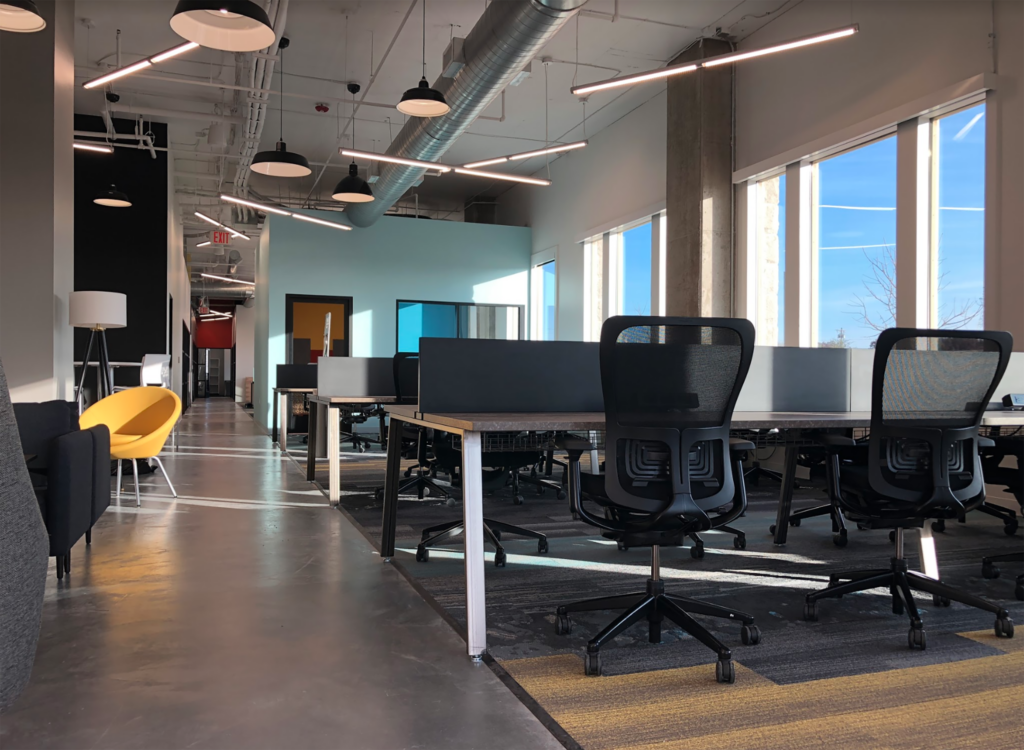
- Keep primary walkways clear and direct
- Avoid placing workstations in high-traffic paths
- Create visual lines that make the space feel longer or wider
- Use furniture placement to guide movement without adding barriers
Movement also plays a role in energy. When people can easily shift between spaces, it supports both productivity and engagement throughout the day.
Make Small Office Design Feel Bigger Than It Is
There are several design strategies that can make a small office feel more expansive without increasing square footage.
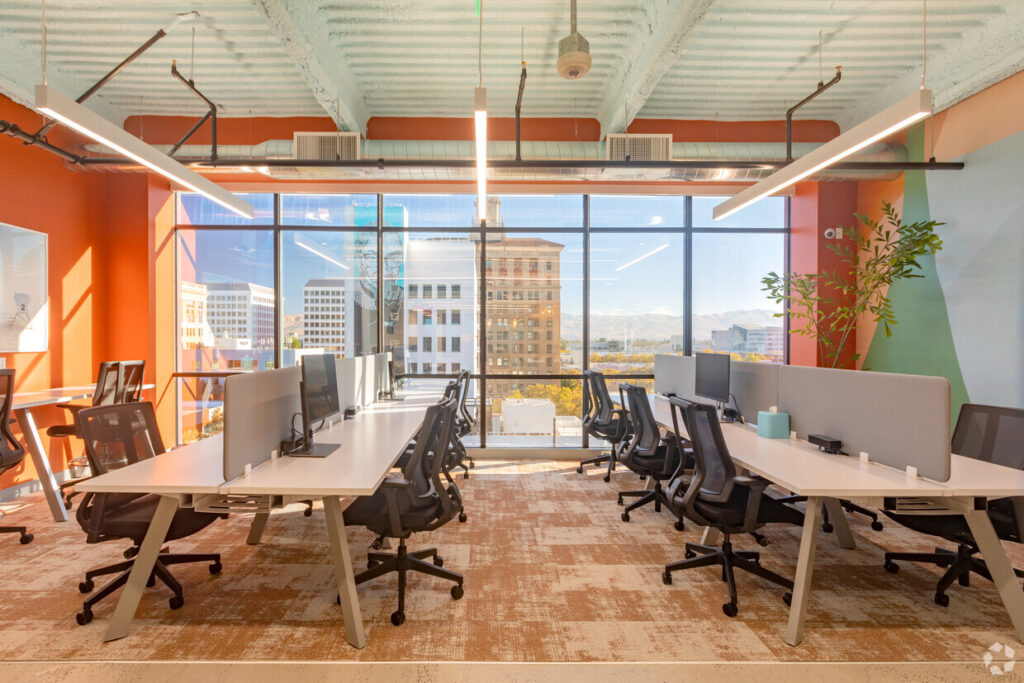
Light is one of the most important. Natural light should be maximized wherever possible, with workstations positioned to take advantage of it. When natural light is limited, layered lighting can help prevent the space from feeling flat or enclosed.
Material and color choices also matter. Lighter tones, reflective surfaces, and consistent finishes can create visual continuity, which makes the space feel less segmented.
Other effective techniques include:
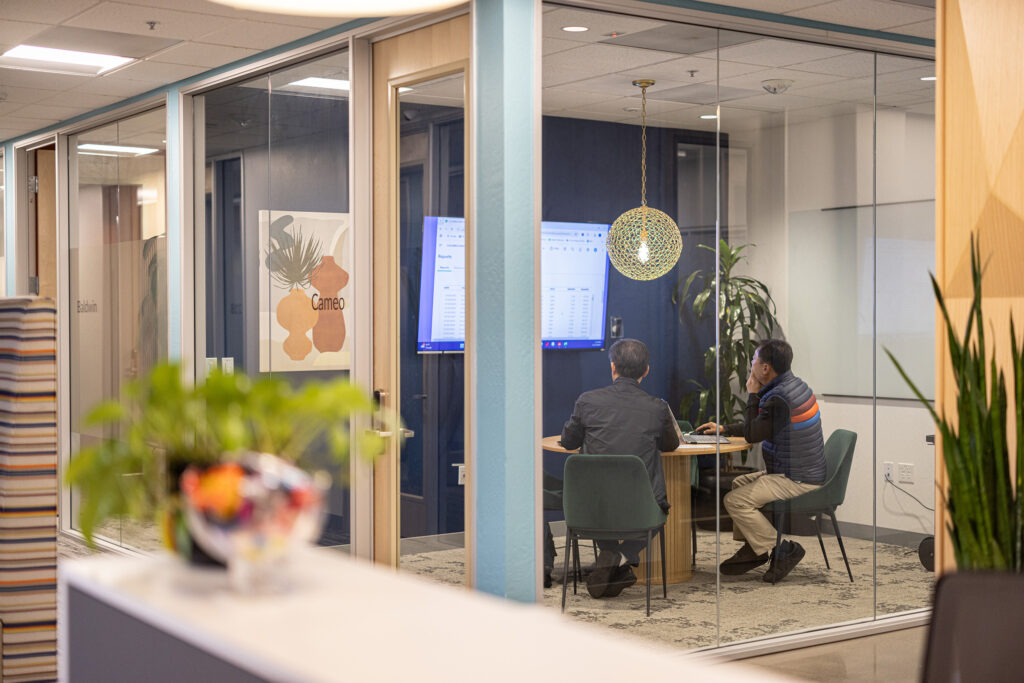
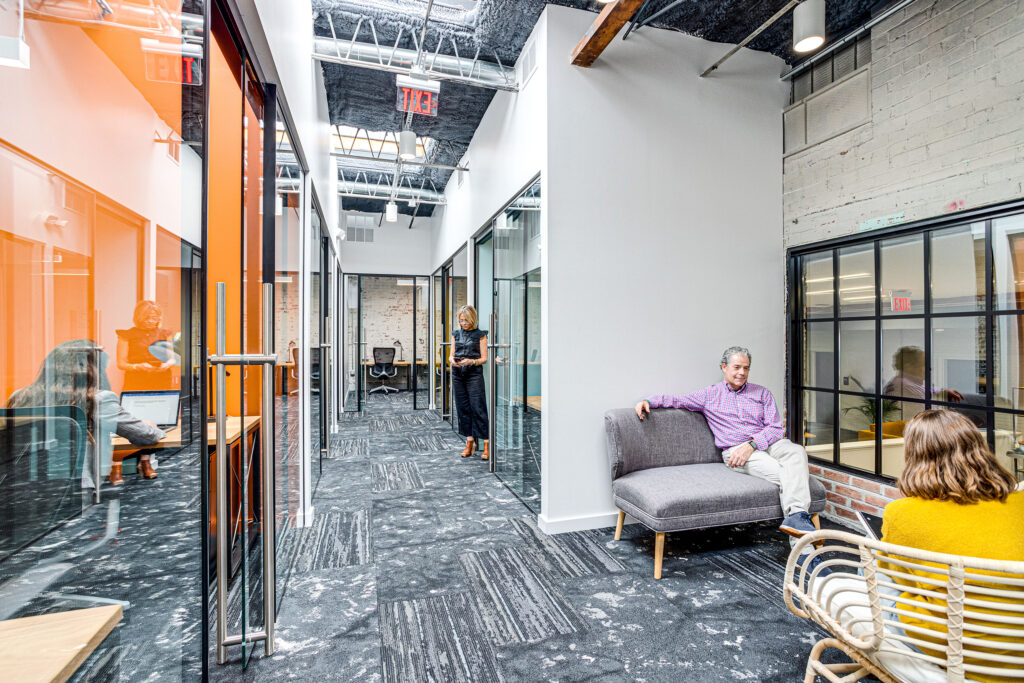
- Using glass or partial partitions instead of solid walls
- Incorporating mirrors or reflective elements
- Keeping sightlines open across the office
- Limiting visual clutter through smart storage solutions
These decisions are subtle, but together they have a significant impact on how the space is experienced.
Build in Flexibility From the Start
Small teams evolve quickly. What works today may not work six months from now.
One of the most valuable principles in small office interior design is flexibility. Instead of designing for a fixed state, design for change.
This can be achieved through:
- Modular furniture that can be reconfigured
- Multi-purpose spaces that serve more than one function
- Lightweight or movable elements that allow for quick adjustments
- Infrastructure that supports growth, such as scalable power and data access
Flexibility reduces the need for costly redesigns and allows the space to adapt alongside the business.
Balance Collaboration and Focus
Many small offices lean too heavily in one direction. Either they prioritize collaboration to the point where focus becomes difficult, or they optimize for quiet work but limit interaction.
The most effective environments strike a balance.
This does not require large conference rooms or multiple enclosed offices. Even in a small footprint, you can create separation through thoughtful design.
Examples include:
- A small enclosed room or phone booth for calls
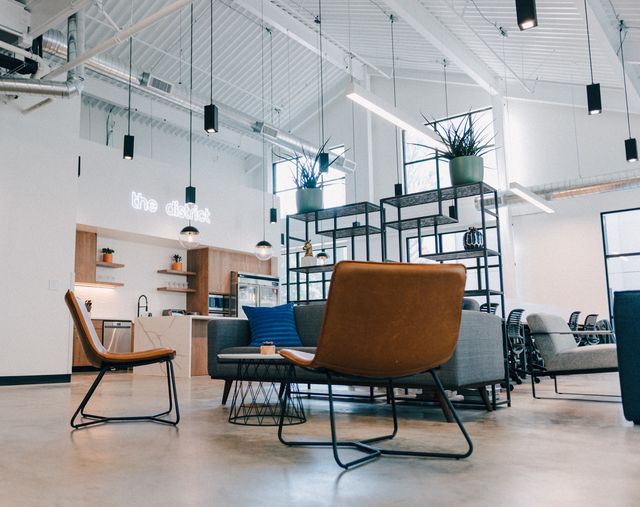
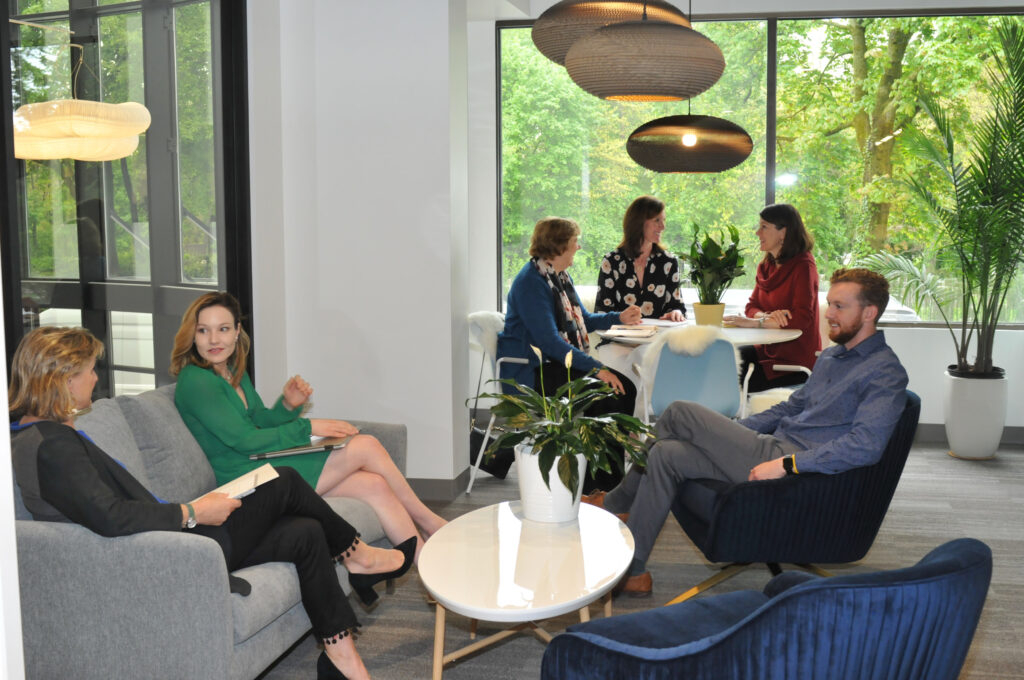
- A shared table or lounge area for quick collaboration
- Subtle acoustic solutions to reduce noise without isolating people
- Zoning through layout and furniture rather than walls
The goal is to give people options. When individuals can choose the environment that best supports their task, overall productivity improves.
Integrate Brand and Culture Into the Space
Your office is an extension of your brand. For small teams, this is especially important because the space often serves multiple roles. It is where employees work, where clients visit, and where culture is experienced day to day.
Small office design ideas should go beyond functionality and reflect identity.
This can show up through:
- Color palettes that align with your brand
- Materials and finishes that reflect your positioning
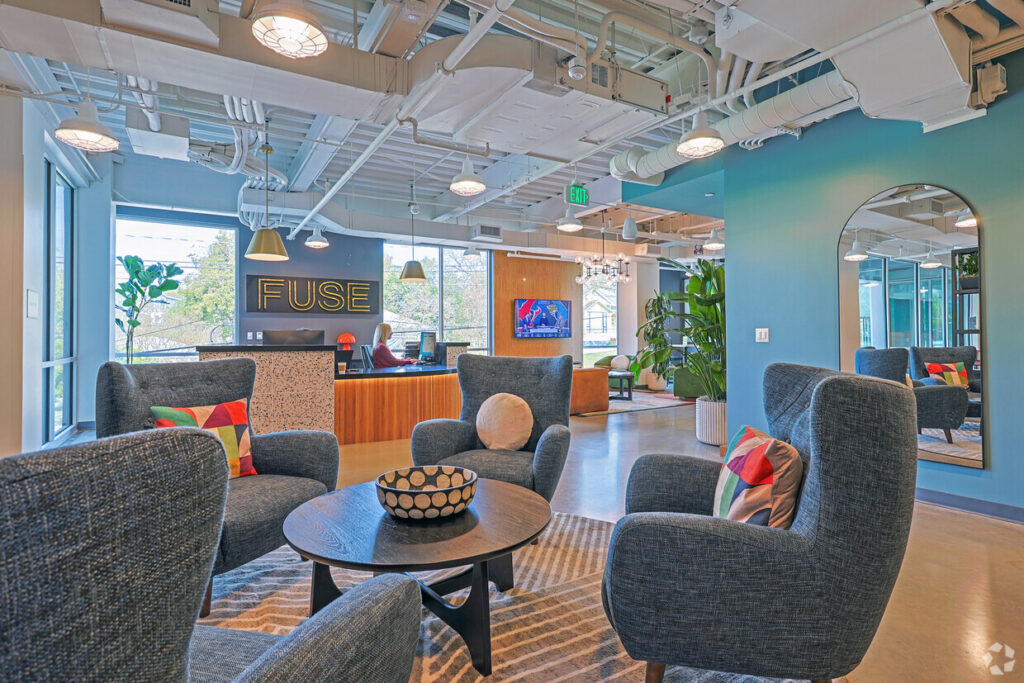
- Graphics or signage that communicate your values
- Design details that reinforce the type of experience you want to create
The key is authenticity. The space should feel like a natural extension of the company, not a generic office with branding applied afterward.
Avoid Overdesigning the Space
In an effort to maximize impact, it is easy to overdesign a small office. Too many elements, too many materials, or too many competing ideas can make the space feel cluttered.
Restraint is often more effective.
A focused design approach allows the most important elements to stand out while maintaining clarity and usability. This is especially important in smaller environments where visual noise can quickly become overwhelming.
Editing is part of the process. Not every idea needs to be implemented, and not every area needs to be fully built out on day one.
Think Beyond Day One
The best small office designs are not just about opening day. They are about how the space performs over time.
As your team grows, your needs will change. New roles may require different types of work environments. Collaboration patterns may shift. Technology may evolve.
Designing with a longer-term perspective helps ensure that your investment continues to deliver value.
This often means asking questions like:
- How will this space support a team that is twice the size
- Which areas can be reconfigured without major disruption
- Where can we build in flexibility now to avoid constraints later
A thoughtful approach upfront reduces friction down the road and allows the space to grow with the business.
The Opportunity in Small Office Design
Small offices are not a limitation. When approached strategically, they are an opportunity to create highly effective, intentional environments.
With fewer layers of complexity, small teams can move faster, adapt more easily, and design spaces that truly reflect how they work. The key is aligning design decisions with real behaviors, prioritizing function, and building in flexibility from the start.
The result is not just a well-designed office, but a workspace that actively supports productivity, collaboration, and long-term growth.