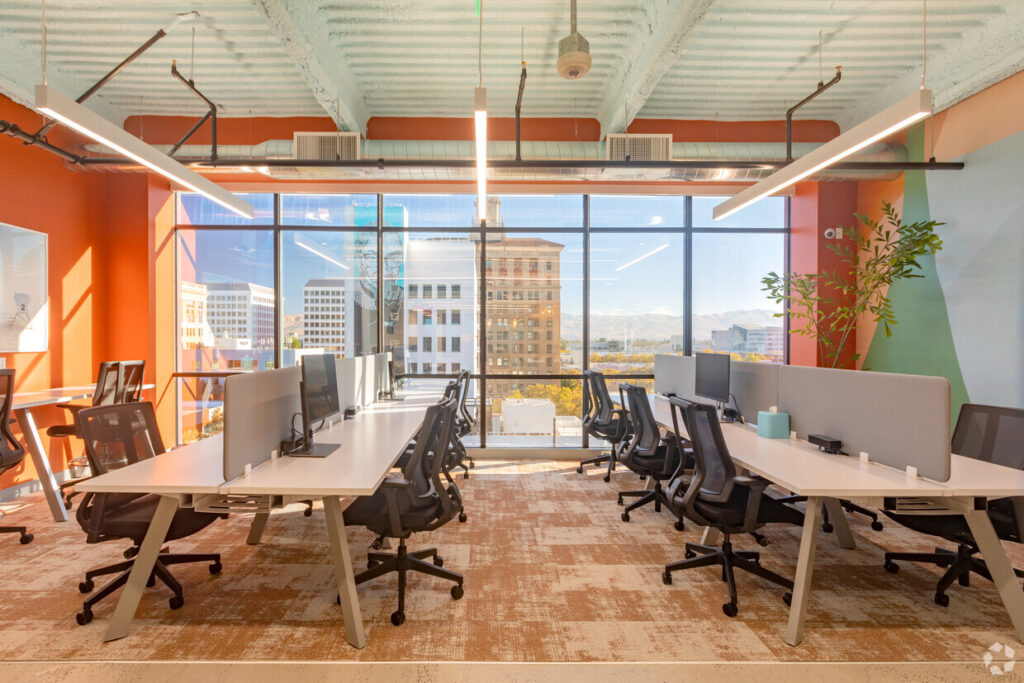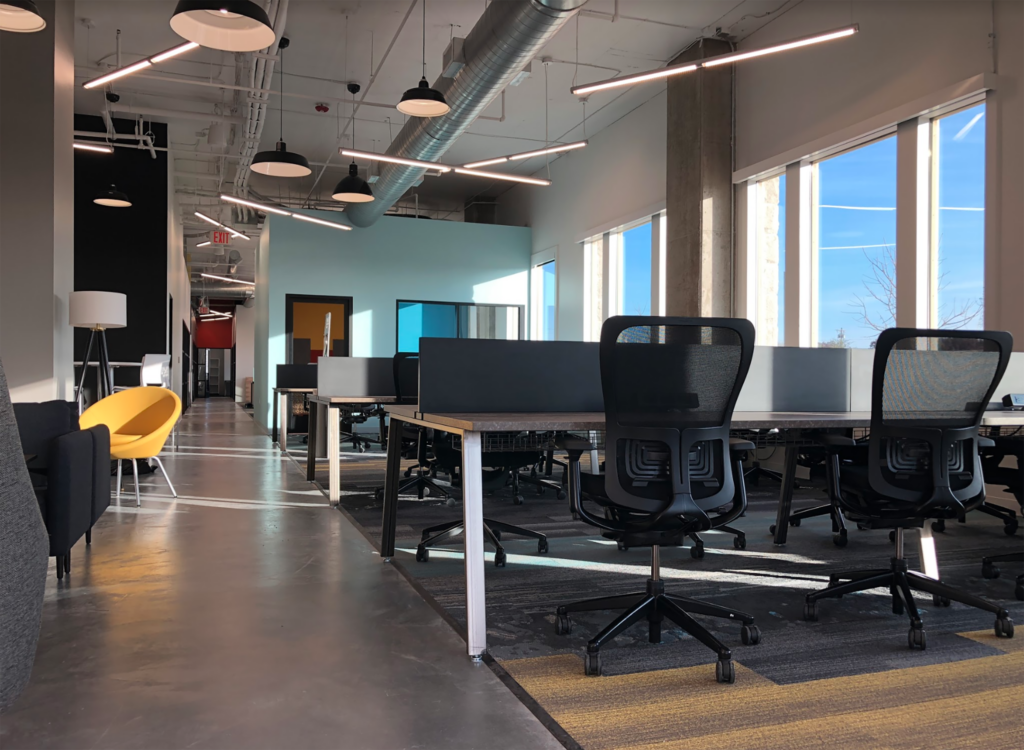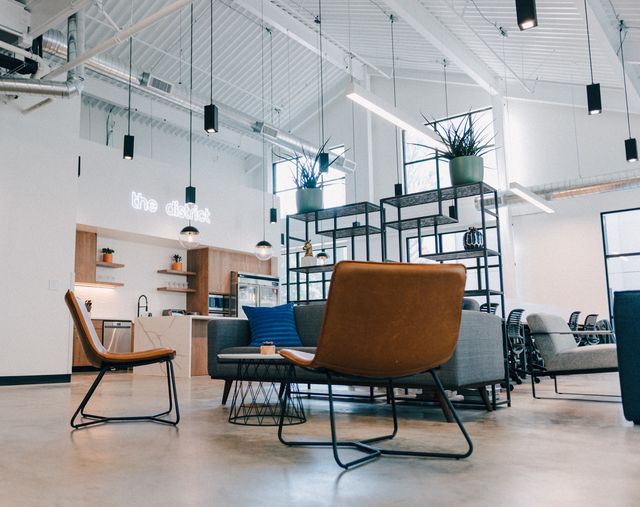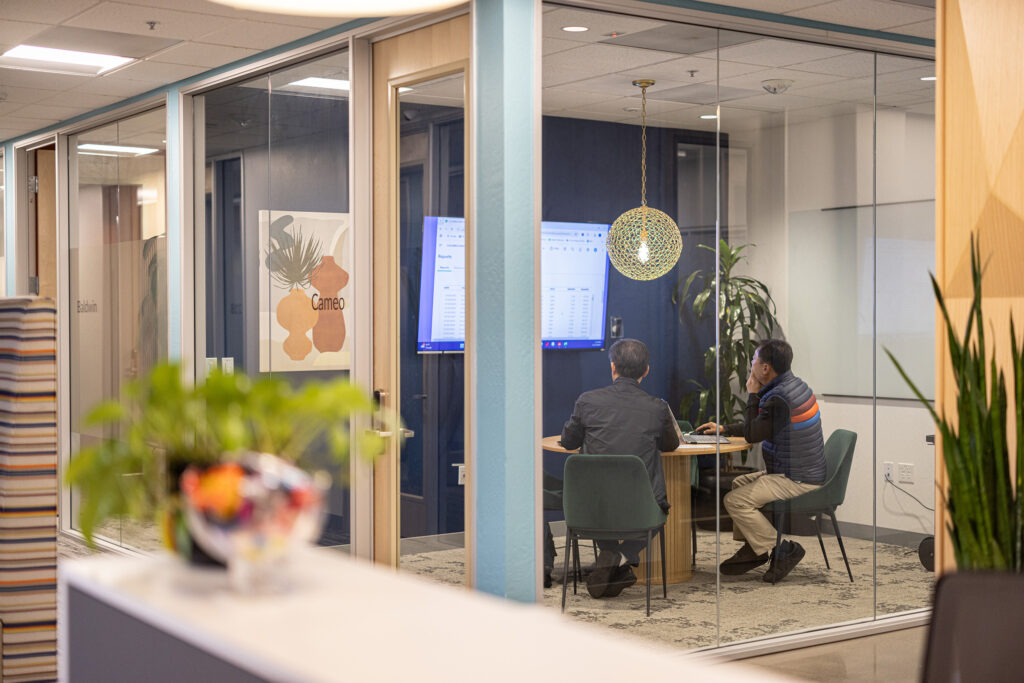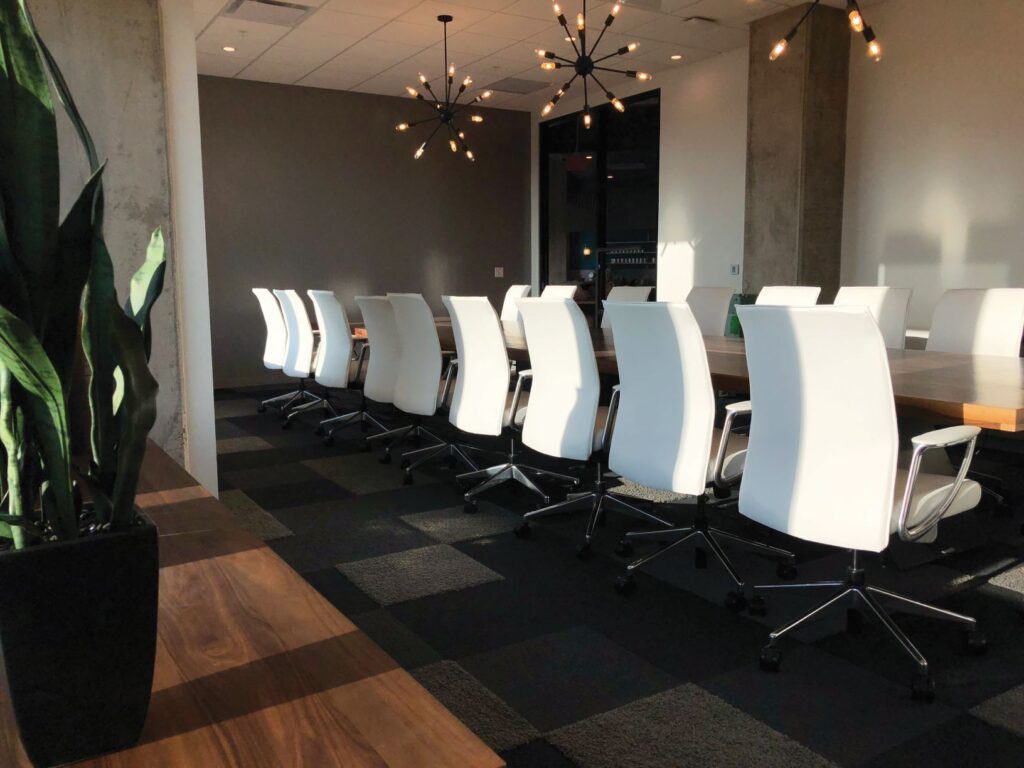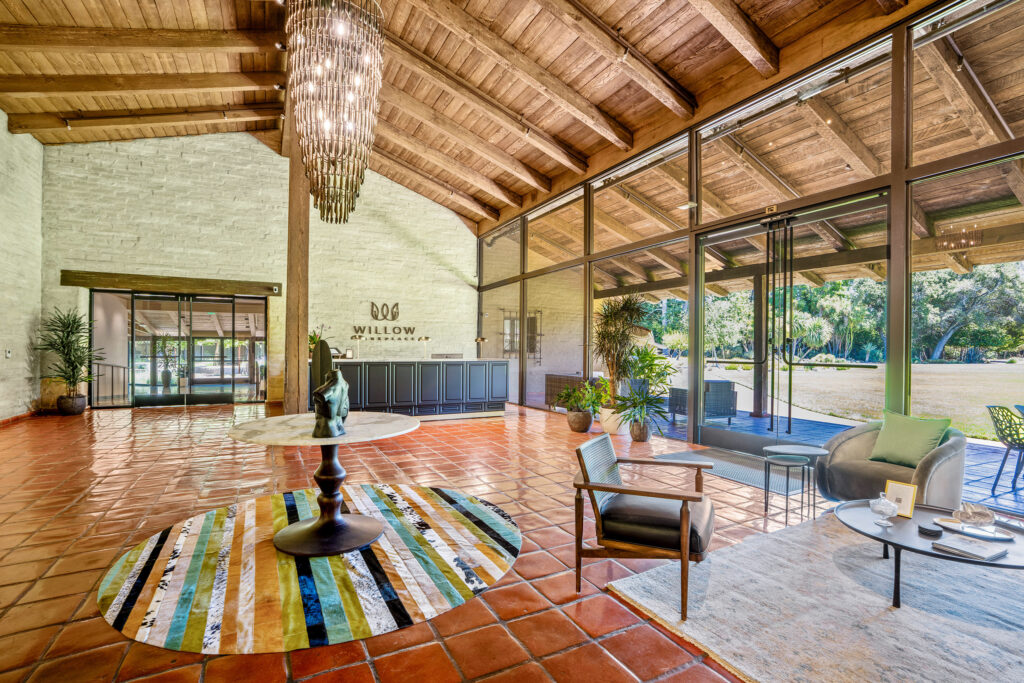
Hospitality environments shape how people experience a space, whether they are staying overnight, meeting with colleagues, attending an event, or spending time in a shared amenity area. The physical environment influences comfort, perception, interaction, and, ultimately, how memorable the experience becomes.
As expectations evolve, many organizations are rethinking how their spaces support both guest experience and operational goals. Design decisions increasingly need to balance aesthetics with functionality, flexibility, and long-term performance.
For hotels, coworking environments, multifamily amenities, clubs, restaurants, and event spaces, hospitality design often extends beyond appearance alone. The strongest environments are intentional. They are designed around how people use spaces, what they need from them, and the experience organizations want to create.
This shift has broadened the role of a hospitality interior design agency. In addition to design expertise, organizations often look for strategic guidance around user experience, workplace behavior, operational considerations, and how physical environments support broader business objectives.
Why Hospitality Design Has Become More Strategic
Hospitality design has traditionally been associated with aesthetics and atmosphere. Today, many organizations are also viewing their physical environments as tools that support experience, operations, and brand perception.
The built environment can influence:
- How comfortable people feel in a space
- Whether environments support collaboration or privacy
- How efficiently teams operate behind the scenes
- Overall perceptions of a brand or organization
- The flexibility of a space as needs evolve
This perspective appears across multiple industries.
Hotels increasingly create spaces intended for gathering beyond guestrooms. Multifamily developments invest heavily in amenity areas. Coworking environments often differentiate themselves through hospitality-driven experiences. Event venues balance atmosphere with adaptability.
The physical environment cannot solve every business challenge, but thoughtful design can help support the experiences and behaviors organizations want to encourage.
Start With Experience Before Space Planning
One of the biggest mistakes in hospitality projects is beginning with finishes, furniture, or aesthetics before understanding the experience the environment needs to support.
Before discussing layouts or materials, organizations should ask:
- Who uses this space?
- Why are they here?
- What should they feel?
- What behaviors should the environment encourage?
- Where are the current pain points?
- How should people move through the experience?
Designing for hospitality often means mapping the entire user journey:
Arrival → Waiting → Gathering → Working → Relaxing → Departing
Each touchpoint creates opportunities to reinforce comfort, community, efficiency, or brand identity.
For example:
A crowded reception area may increase frustration before an experience even begins.
Insufficient acoustic planning may make collaboration difficult.
Poor wayfinding can create confusion and unnecessary stress.
Small design decisions compound into larger perceptions of the overall experience. This is why many hospitality projects benefit from strategic planning early in the process. Understanding objectives first helps create environments aligned with long-term goals rather than short-term preferences.
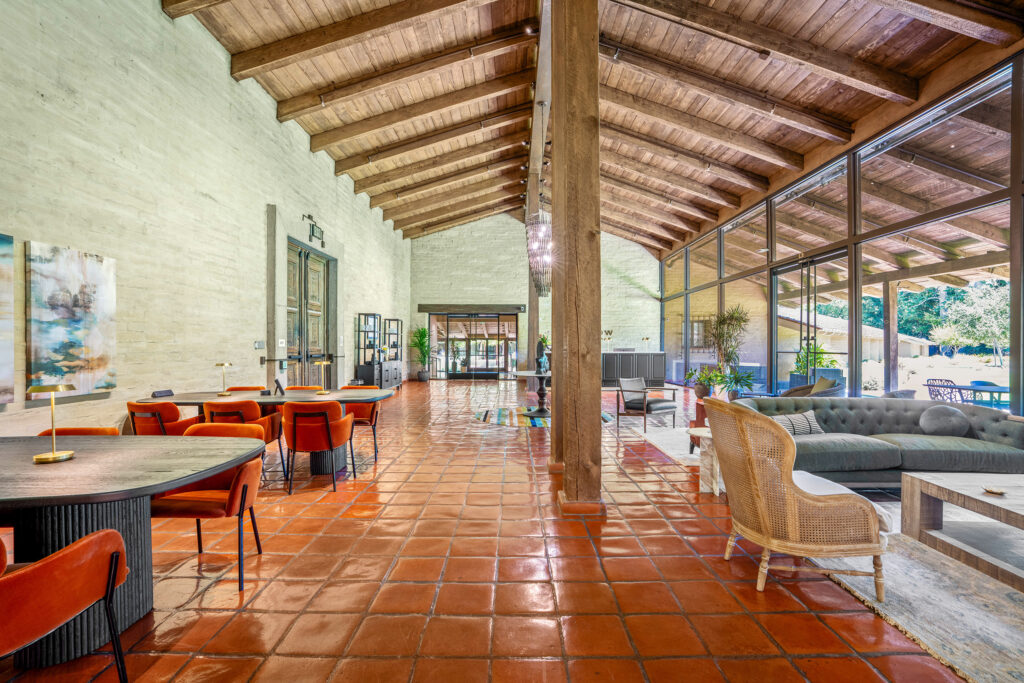
Comfort Matters, But Function Cannot Be Overlooked
People may initially notice aesthetics, but they remember how a space made them feel.
Comfort in hospitality environments comes from multiple factors working together.
Acoustic Performance
Noise levels influence focus, relaxation, and satisfaction. Open environments often benefit from thoughtful zoning, sound absorption materials, or quieter retreat areas.
Lighting Design
Lighting affects mood, energy, and perception. Layered lighting strategies that combine ambient, task, and accent lighting create more adaptable environments.
Natural light also plays an increasingly important role in wellness and user experience.
Flexible Furnishings
Many hospitality environments now serve multiple purposes throughout the day.
A lounge may become an informal workspace.
An event area may support networking one evening and presentations the next morning.
Furniture flexibility allows spaces to evolve without requiring complete redesigns.
Technology Integration
Guests increasingly expect seamless technology experiences, whether that involves connectivity, presentation capabilities, charging access, or integrated booking systems.
The most effective technology supports the experience without becoming distracting.
Intuitive Navigation
People should not need to work hard to understand where they belong or how to move through a space.
Clear circulation patterns and intuitive layouts reduce friction and improve confidence.
Trends Influencing Interior Design in the Hospitality Industry
Trends should not drive every design decision. However, broader shifts in expectations often signal lasting changes worth considering.
Multi-Functional Spaces
Organizations want environments that support evolving needs rather than single purposes.
Adaptability is becoming increasingly valuable.
Wellness-Focused Design
Wellness continues to influence interior design in the hospitality industry through:
- Biophilic elements
- Natural materials
- Access to daylight
- Quiet zones
- Areas designed for restoration or focus
Residential Influences
Many hospitality spaces are moving away from highly formal environments toward experiences that feel warmer, more comfortable, and more personal.
Local Identity
Generic environments can feel interchangeable.
Increasingly, organizations are looking for ways to reflect local culture, community, or brand identity within physical spaces.
Sustainability and Longevity
Material selection and long-term operational efficiency continue to shape design conversations.
Durable, adaptable environments often create better long-term value.
Successful Hospitality Projects Require More Than Interior Design
A hospitality interior designer contributes important expertise around aesthetics, functionality, and user experience. However, successful projects often require broader coordination.
Hospitality environments may involve:
- Strategic planning
- Space programming
- Vendor coordination
- Procurement support
- Project management
- Change management
- Collaboration with licensed architecture partners when needed
- Stakeholder alignment
Design decisions rarely exist in isolation. Operational requirements, budgets, timelines, and long-term objectives all influence outcomes. Bringing these considerations together early helps reduce misalignment and supports stronger results.
Questions to Ask Before Beginning a Hospitality Design Project
Organizations considering updates or new hospitality environments should start by asking:
- What experience do we want people to have?
- What emotions should the space evoke?
- What behaviors should the environment encourage?
- Where does friction currently exist?
- How will we define success?
- How might needs evolve over the next three to five years?
- Does the environment reflect our brand and values?
- Are there operational challenges design could help solve?
The answers often shape priorities more effectively than design trends alone.
Great Hospitality Design Creates Experiences People Remember
Hospitality spaces succeed when they balance aesthetics, functionality, comfort, and business objectives.
The strongest environments are not designed simply to impress at first glance. They are designed to support meaningful experiences, encourage connection, reduce friction, and align with how people actually use spaces.
That requires listening before designing, understanding goals before selecting finishes, and viewing the built environment as a strategic asset rather than an afterthought.
As expectations continue to evolve, organizations that invest thoughtfully in hospitality design will be better positioned to create spaces people want to return to.
Frequently Asked Questions
What does a hospitality interior designer do?
A hospitality interior designer creates environments intended to improve guest experiences while supporting operational goals. Projects may include hotels, coworking spaces, clubs, multifamily amenities, restaurants, and event venues.
Why is interior design important in the hospitality industry?
Design influences comfort, perception, efficiency, and satisfaction. Well-designed environments can improve guest experiences while supporting stronger business outcomes.
What industries benefit from hospitality design services?
Hospitality-focused design strategies are increasingly used across hotels, coworking, multifamily, private clubs, corporate environments, event spaces, and mixed-use developments.
How does hospitality design affect customer experience?
Elements such as layout, acoustics, lighting, comfort, flexibility, and wayfinding influence how people feel within a space and whether they want to return.