Modern office design is about much more than creating an attractive space. The style you choose influences how employees collaborate, focus, welcome clients, and experience your company every day. A thoughtfully designed workplace should reflect your brand while supporting the way your people actually work.
The challenge is that there isn’t one “best” office design style. A creative agency may thrive in an industrial-inspired loft with collaborative gathering spaces, while a financial services firm may benefit from a more refined, minimalist environment that communicates professionalism and trust. Even within the same organization, different departments often require different settings to support their work.
Understanding the most popular office interior design styles can help you determine which aesthetic best aligns with your culture, business goals, and employee experience. Here are five of today’s most influential workplace design styles and when each makes the most sense.
Modern Office Design
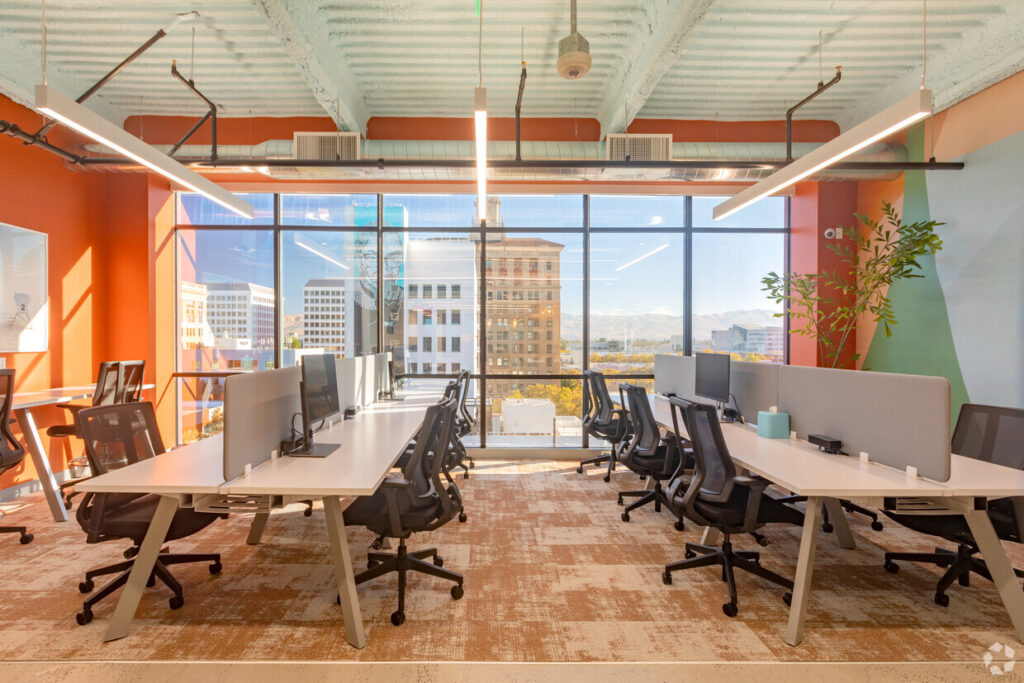
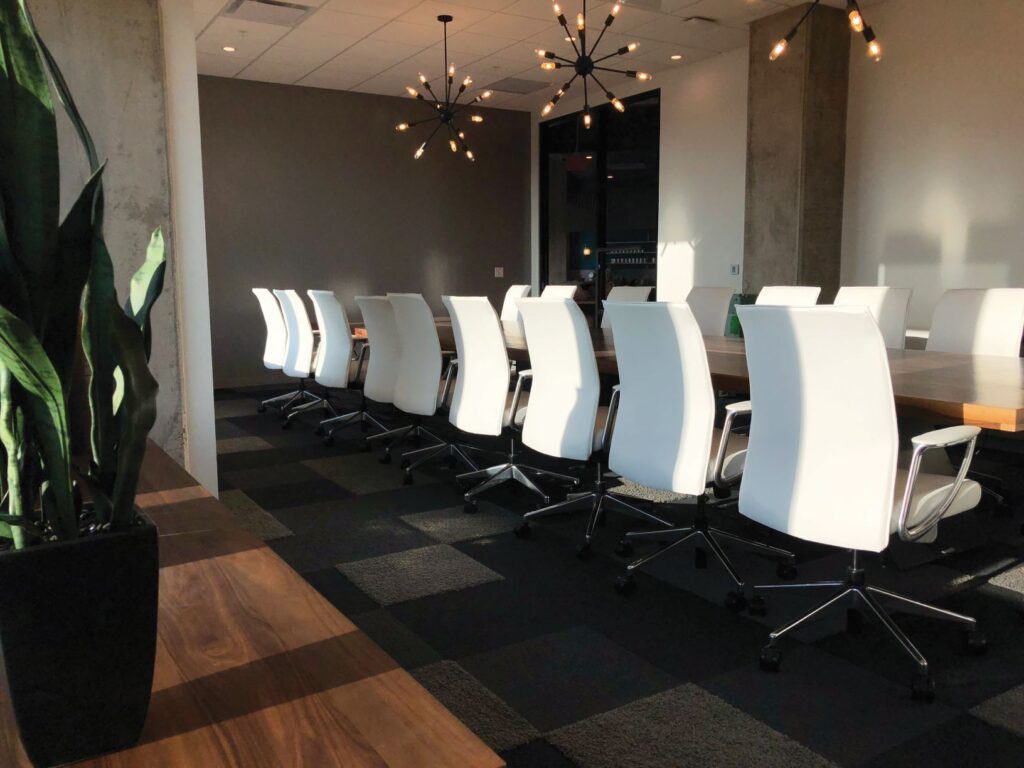
Modern office design has become one of the most requested workplace styles because it balances aesthetics, flexibility, and functionality. Rather than focusing solely on appearance, modern workplaces are designed around how people work today.
Common characteristics include:
- Clean architectural lines
- Open, flexible layouts
- Natural light
- Neutral color palettes with strategic accent colors
- Integrated technology
- Comfortable, ergonomic furniture
- Collaboration spaces alongside focus areas
Unlike older office layouts that separated departments into rows of private offices and cubicles, modern workplaces encourage movement between different work settings throughout the day.
Best For
Modern office design works well for nearly every industry, including:
- Professional services
- Technology companies
- Healthcare administration
- Manufacturing headquarters
- Engineering firms
- Financial services
- Coworking spaces
Its versatility allows organizations to customize the space around their workflows while maintaining a timeless appearance.
Design Considerations
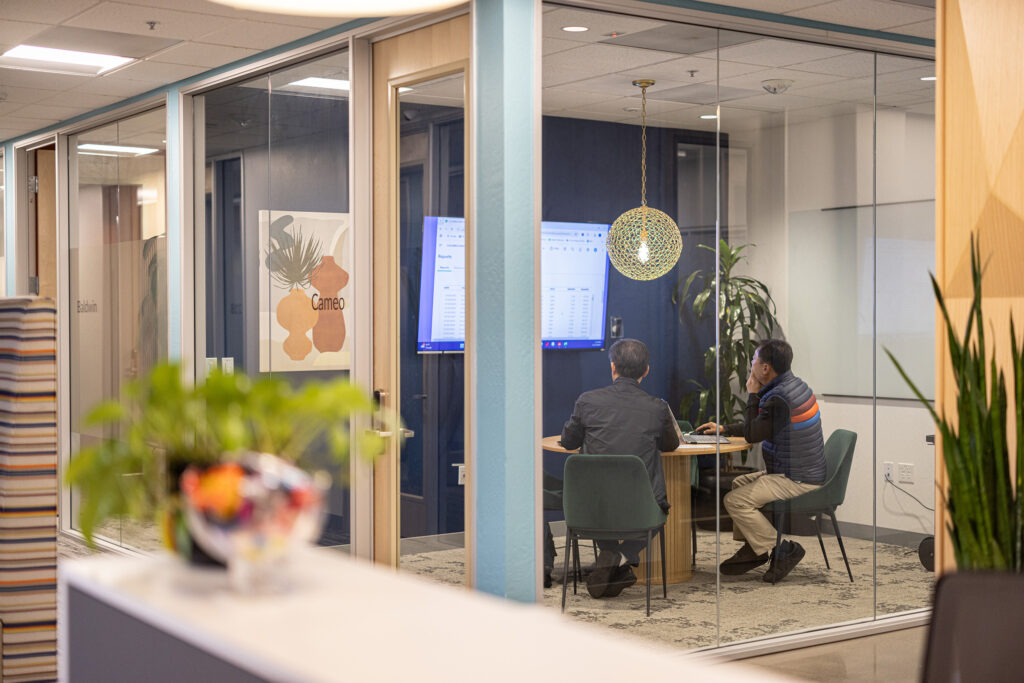
A successful modern office isn’t simply open concept. The best environments balance collaboration with privacy by incorporating meeting rooms, phone booths, quiet work areas, and informal gathering spaces alongside traditional workstations.
Modern Industrial Office Design
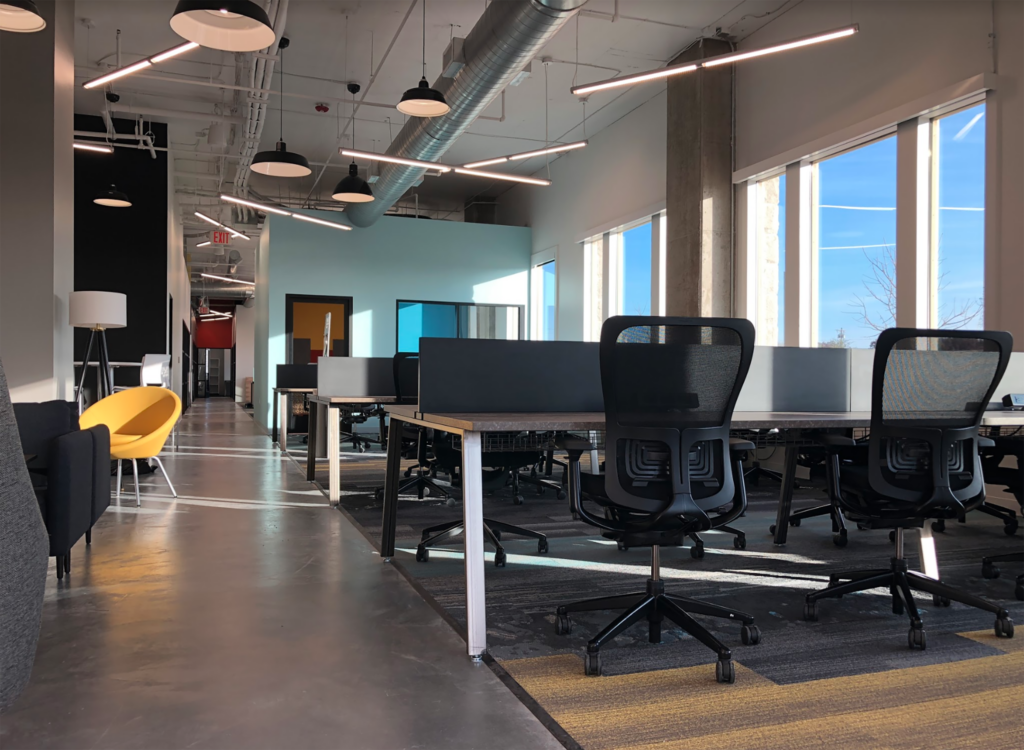
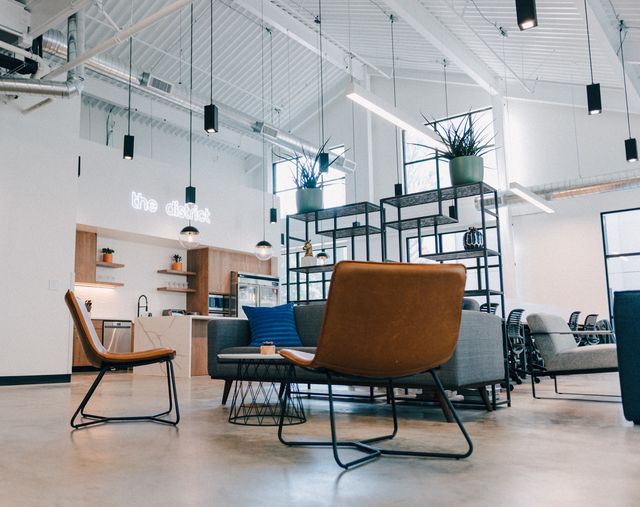
Modern industrial office design blends contemporary workplace planning with architectural elements originally found in warehouses and manufacturing buildings. While the style has become increasingly popular, successful industrial workplaces avoid feeling cold or unfinished.
Key design features include:
- Exposed ceilings
- Structural steel
- Brick or concrete walls
- Wood accents
- Black metal framing
- Large windows
- Visible mechanical systems
- Warm lighting
- Mixed natural materials
The combination creates an authentic, energetic environment that feels creative while remaining professional.
Best For
Industrial office design is especially popular among:
- Creative agencies
- Marketing firms
- Architecture firms
- Design studios
- Technology startups
- Real estate companies
Organizations that value transparency, creativity, and collaboration often gravitate toward this aesthetic.
Design Considerations
Industrial spaces can become noisy if acoustic planning isn’t incorporated early. Soft seating, acoustic ceiling treatments, area rugs, wood finishes, plants, and upholstered furniture help maintain the industrial character while improving employee comfort.
Minimalist Office Design
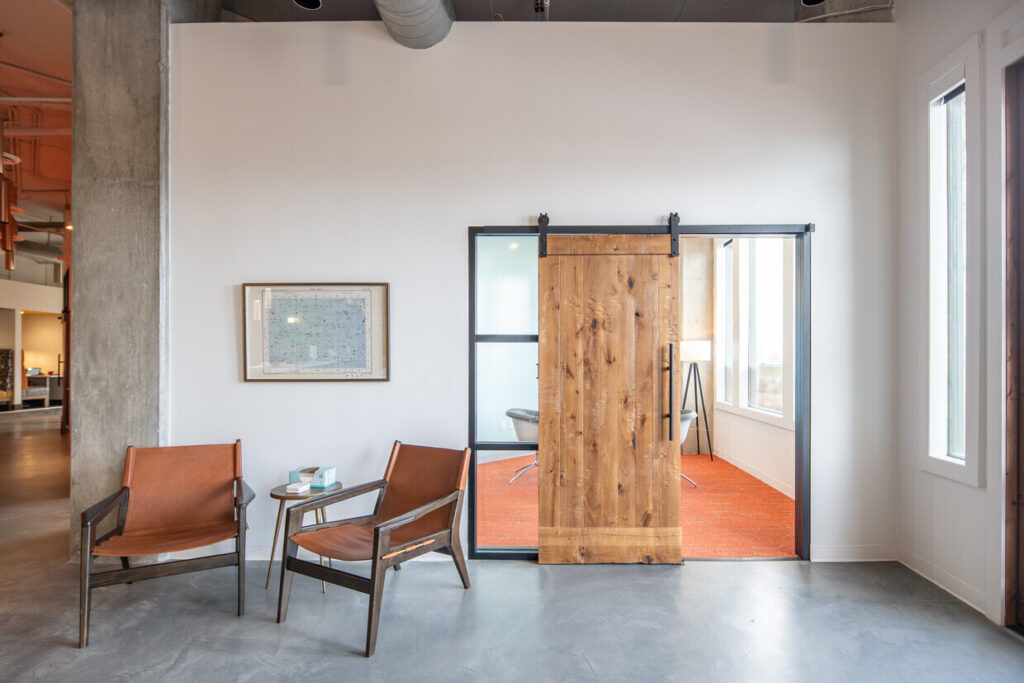
Minimalist office design focuses on simplicity, organization, and removing unnecessary distractions. Every piece of furniture and every design decision serves a purpose.
Rather than feeling empty, successful minimalist workplaces feel intentional.
Typical features include:
- Neutral color palettes
- Limited visual clutter
- Hidden storage
- Streamlined furniture
- Clean work surfaces
- Simple architectural details
- High-quality materials
- Strong natural lighting
Minimalism isn’t about having less simply for appearance. It’s about creating environments that support concentration and reduce cognitive overload.
Best For
Minimalist office design is well suited for organizations where focus and precision are critical, including:
- Law firms
- Accounting firms
- Consulting firms
- Medical offices
- Executive headquarters
- Financial institutions
It also works well for companies embracing deep work strategies or implementing focus-first workplace policies.
Design Considerations
Minimalist environments can feel sterile if they’re not balanced with warmth. Natural wood, textured finishes, artwork, biophilic design, and carefully selected furnishings help create a welcoming atmosphere without introducing unnecessary clutter.
Luxury Modern Office Design
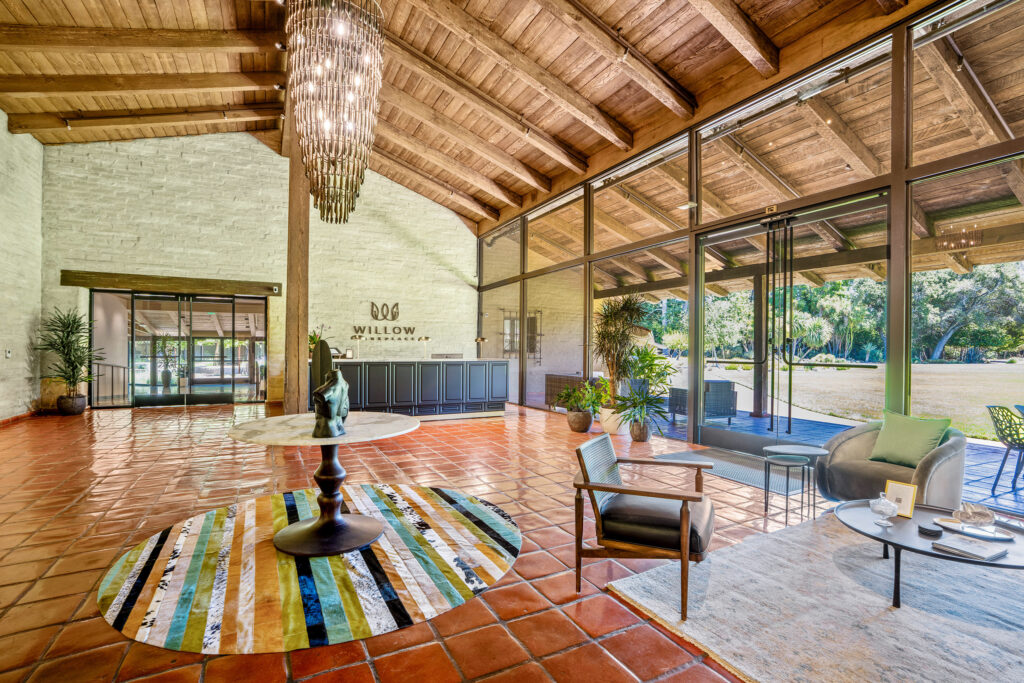
Luxury modern office design combines contemporary architecture with premium finishes and elevated experiences. Rather than emphasizing excess, today’s luxury workplaces communicate quality through thoughtful materials, craftsmanship, and attention to detail.
Common features include:
- Custom millwork
- Natural stone
- Premium lighting
- High-end furniture
- Executive hospitality spaces
- Integrated technology
- Designer finishes
- Signature architectural elements
- Elevated reception areas
Luxury offices often place equal emphasis on employee experience and client impressions.
Best For
Luxury modern office design is frequently chosen by:
- Corporate headquarters
- Wealth management firms
- Private equity firms
- Executive suites
- Law firms
- High-end professional services
These environments help reinforce trust, confidence, and brand positioning during every client interaction.
Design Considerations
Luxury doesn’t have to mean formal. Many organizations combine premium materials with relaxed hospitality-inspired spaces that make employees and visitors feel comfortable while reinforcing the company’s brand identity.
Mid Century Modern Office Design
Mid century modern office design has experienced a resurgence because it combines timeless aesthetics with highly functional furniture and layouts.
Inspired by the design movement of the 1940s through the 1960s, this style emphasizes craftsmanship, clean lines, and natural materials.
Key characteristics include:
- Walnut and oak wood finishes
- Organic shapes
- Iconic furniture
- Bold accent colors
- Geometric patterns
- Large windows
- Functional layouts
- Balanced proportions
Unlike some trend-driven aesthetics, mid century modern continues to feel fresh decades after it first emerged.
Best For
Mid century modern works particularly well for:
- Creative companies
- Boutique professional firms
- Hospitality offices
- Design-focused organizations
- Executive offices
It creates a warm, welcoming environment while maintaining a sophisticated appearance.
Design Considerations
Rather than fully recreating a 1960s office, many organizations blend mid century elements with contemporary workplace planning. This creates a timeless aesthetic while supporting today’s technology and hybrid work requirements.
Choosing the Right Office Design Style
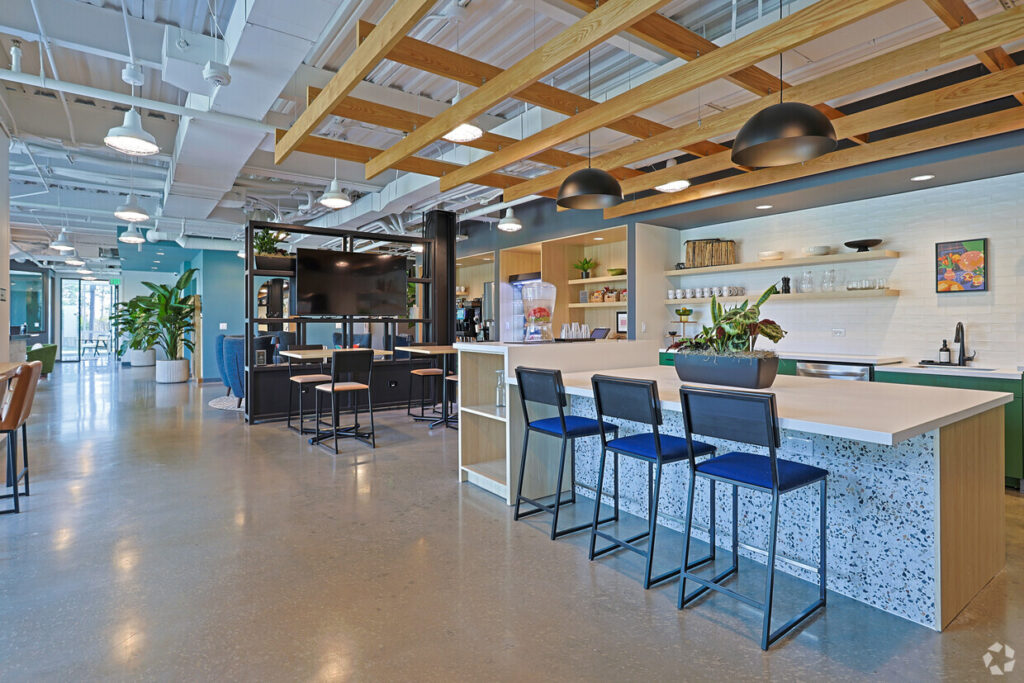
Selecting an office design style shouldn’t begin with furniture catalogs or Pinterest boards. It should start with understanding how your employees work, how clients experience your brand, and what your workplace needs to accomplish.
Questions worth asking include:
- How much collaboration happens throughout the day?
- Do employees need quiet focus areas?
- How often are clients in the office?
- What impression should the workplace create?
- Will the space need to adapt as the business grows?
- Does the design reflect your company culture?
In many cases, the best workplace combines elements from multiple styles. A company may choose a modern layout, incorporate industrial architectural features, furnish executive areas with luxury finishes, and create minimalist focus spaces throughout the office.
The result is a workplace that feels authentic to the organization rather than following a single design trend.
Great Office Design Goes Beyond Style
While aesthetics create the first impression, successful workplace design is ultimately about performance.
The best offices support collaboration when teams need to connect, provide quiet environments for focused work, welcome clients with confidence, and give employees choices throughout the day. Style should reinforce these goals rather than compete with them.
Whether your vision leans toward modern, industrial, minimalist, luxury, or mid century modern, thoughtful workplace strategy ensures your office doesn’t just look impressive—it actively supports productivity, culture, and long-term business success.