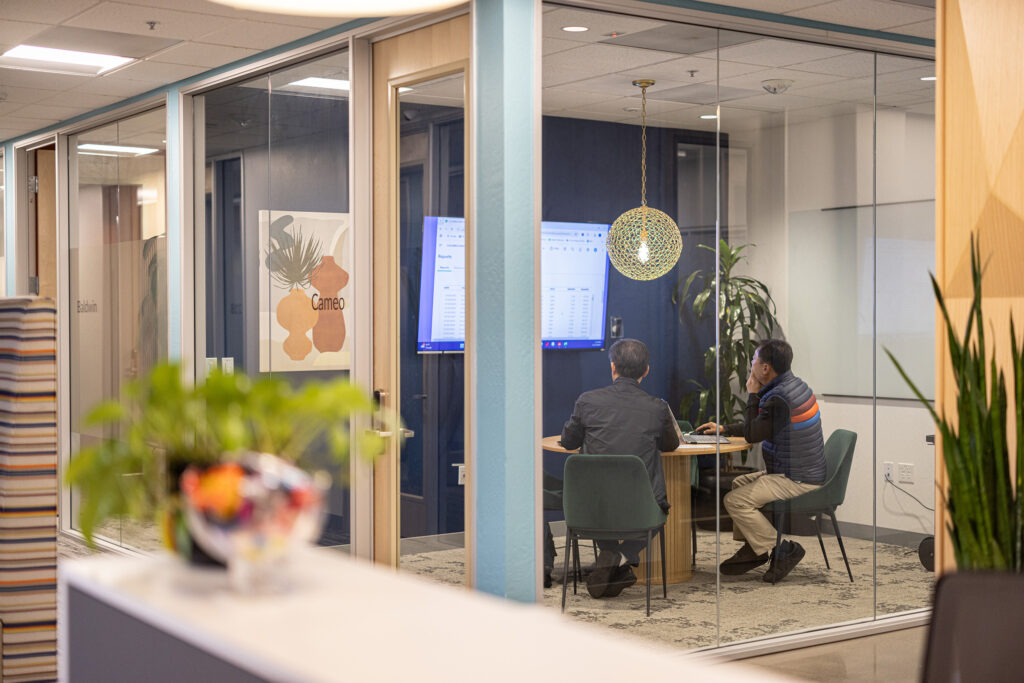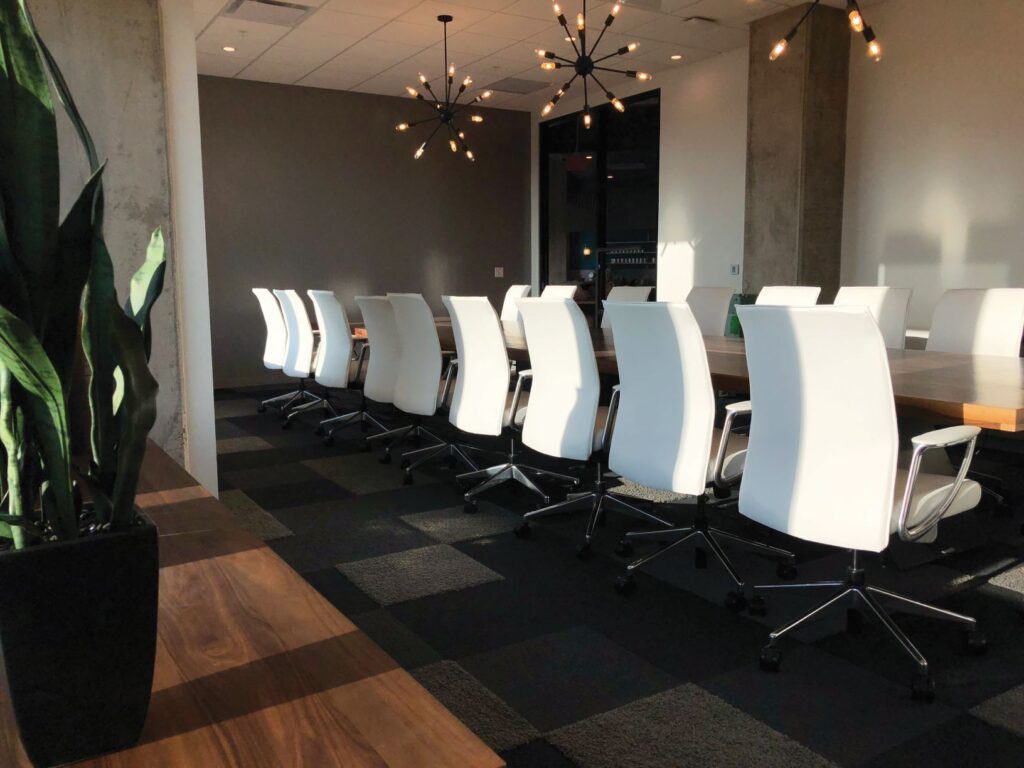
Conference rooms have long been viewed as functional spaces reserved for presentations, team meetings, or client conversations. But as workplace expectations continue to evolve, organizations are reassessing the role these environments play in collaboration, productivity, and culture.
A conference room that is difficult to navigate, poorly equipped for hybrid meetings, or uncomfortable for extended conversations can create friction that impacts how teams communicate and make decisions. On the other hand, thoughtfully designed spaces can help support engagement, improve meeting experiences, and create environments better aligned with how people work today.
Effective office conference room design requires more than selecting a large table and installing a screen. The strongest spaces balance technology, comfort, acoustics, flexibility, and organizational needs to support a wide range of interactions.
Start With How the Room Will Be Used
One of the most common mistakes in conference room planning is focusing on furniture, finishes, or technology before understanding how the space is expected to function.
Before making design decisions, organizations should consider:
- Who will primarily use the room?
- How many people typically attend meetings?
- Will the space support hybrid collaboration?
- Are meetings mostly internal, client-facing, or both?
- Does the room need to accommodate presentations, workshops, brainstorming sessions, or confidential discussions?
- How frequently will the space be used?
The answers help establish priorities early in the process.
For example, a room designed primarily for leadership meetings may require a different layout and level of privacy than one intended for creative collaboration or client presentations. Similarly, organizations with distributed teams often need conference rooms optimized for virtual participation rather than only in-person interaction.
Understanding these requirements before design work begins helps ensure decisions support long-term use rather than immediate preferences.
Modern Conference Room Design Requires Flexibility
The role of conference rooms has changed significantly over the past several years. Traditional boardroom setups designed around lengthy in-person meetings may not support current workplace patterns as effectively.
Many organizations now require spaces that can adapt throughout the day, supporting:
- Team meetings
- Hybrid collaboration
- Client presentations
- Training sessions
- Workshops
- Informal brainstorming
- Private discussions
As a result, modern conference room design often prioritizes flexibility.
Movable furnishings, adaptable layouts, and integrated technology can help spaces evolve as needs change. Designing with flexibility in mind may also extend the long-term usefulness of a room as organizations grow or adjust workplace strategies.
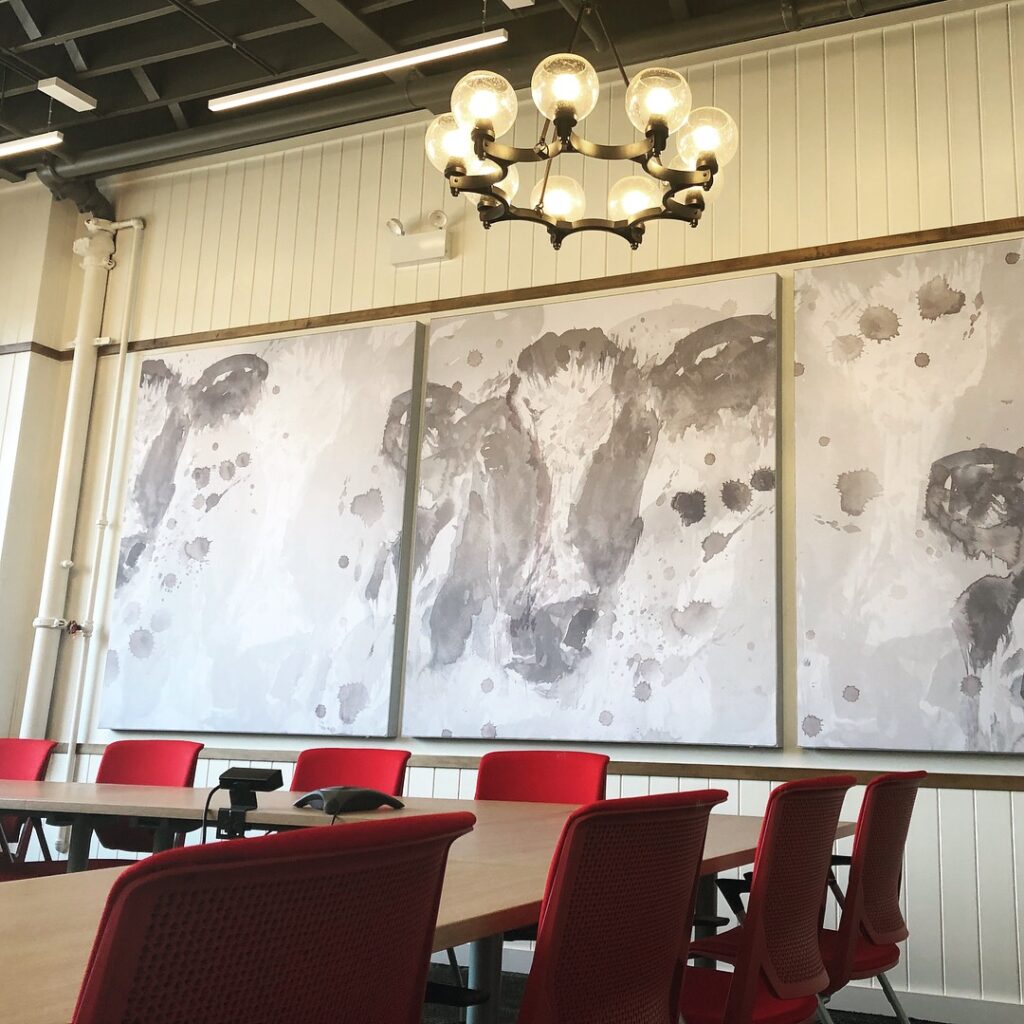
Prioritize Acoustics Early in the Process
Acoustics are frequently overlooked during conference room planning, despite having a direct impact on communication quality.
Poor sound control can create challenges during both in-person and virtual meetings. Echo, external noise, and limited speech clarity often reduce engagement and increase fatigue, particularly during longer sessions.
Conference room design should consider:
- Sound absorption materials
- Ceiling treatments
- Flooring selections
- Wall construction
- Separation from high-traffic areas
- Technology that improves audio quality
Acoustic performance becomes even more important in hybrid environments where remote participants rely entirely on audio quality to engage effectively.
Design for Hybrid Meetings Rather Than Retrofitting Later
Hybrid work continues to influence how conference spaces function. While many organizations initially adapted existing rooms with additional cameras or screens, newer approaches increasingly consider hybrid participation from the beginning.
Designing for hybrid collaboration may include:
- Camera placement that supports natural interaction
- Multiple display options
- Clear sightlines
- Reliable connectivity
- Integrated microphones and speakers
- Lighting optimized for video calls
These elements help create more equitable experiences between in-person and remote participants.
Retrofitting technology after construction often creates unnecessary complexity and cost. Planning infrastructure early allows organizations to integrate solutions more effectively.
Lighting Plays a Larger Role Than Many Organizations Expect
Lighting influences comfort, focus, and overall meeting experience.
Conference rooms designed exclusively with overhead fluorescent lighting may feel overly harsh or contribute to fatigue during extended meetings. Conversely, spaces that are too dim can reduce energy and engagement.
Effective conference room lighting often incorporates multiple layers, including ambient, task, and adjustable lighting depending on the intended use of the space.
Natural light can also improve comfort and create a more welcoming environment when balanced appropriately with screen visibility requirements.
Furniture Selection Should Support How Teams Work
Furniture decisions affect both comfort and functionality.
When evaluating conference room design ideas, organizations should consider:
- Duration of typical meetings
- Flexibility requirements
- Accessibility needs
- Technology integration
- Room capacity
- Desired meeting styles
Long strategic sessions may require different seating solutions than short daily check-ins.
Similarly, organizations emphasizing collaboration may benefit from layouts that encourage discussion rather than strictly hierarchical seating arrangements.
The goal is to create environments that support interaction while remaining comfortable during extended use.
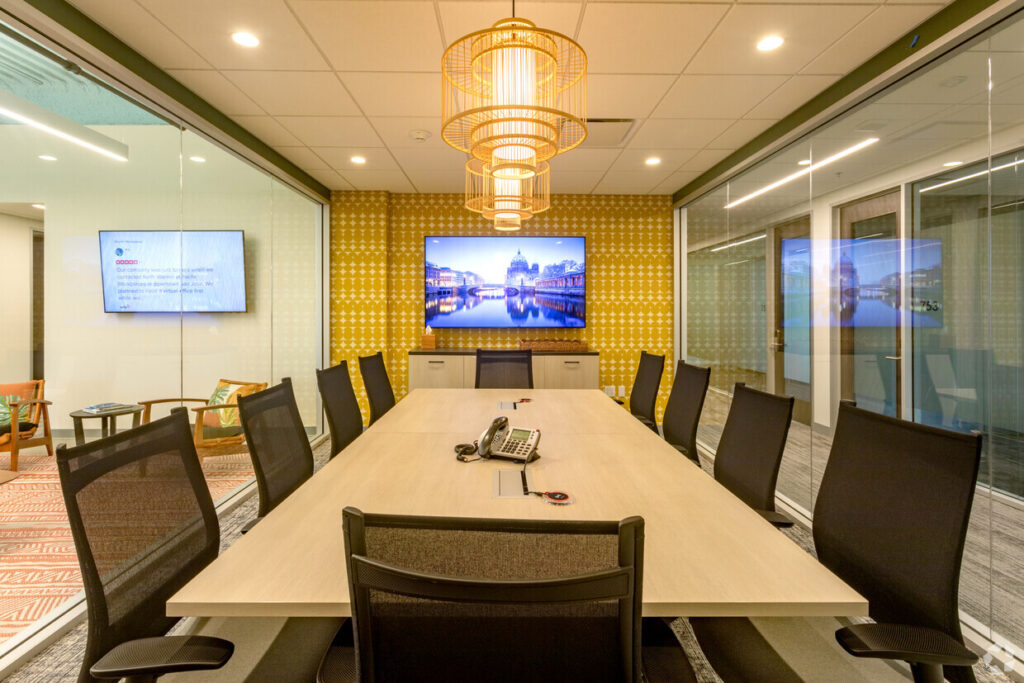
Think Beyond the Meeting Itself
Conference room planning often focuses entirely on activities inside the room. However, surrounding spaces can also influence how effectively environments function.
Adjacent areas for informal conversations, preparation, or post-meeting collaboration may improve overall workflow. Storage for materials, convenient charging access, and transitions between collaborative and private spaces can also affect usability.
Considering the broader experience helps ensure conference rooms support how teams actually work rather than functioning as isolated environments.
Questions to Ask Before Designing a Conference Room
Organizations beginning a conference room project may benefit from asking:
- What types of meetings occur most often?
- How many participants typically attend?
- What role does hybrid work play?
- Where do existing conference rooms fall short?
- What technology requirements exist today and may evolve in the future?
- Does the space need to support clients or external stakeholders?
- How will success be measured?
Clarifying these questions early helps guide design decisions toward practical outcomes.
Effective Conference Room Design Supports More Than Meetings
Conference rooms influence how teams collaborate, communicate, and make decisions. While aesthetics remain important, successful office conference room design is often defined by how well spaces support the people using them.
The strongest environments balance comfort, flexibility, technology, and functionality while remaining aligned with broader organizational goals.
When approached strategically, conference rooms become more than meeting spaces. They become environments designed to support stronger collaboration and more effective work.
Frequently Asked Questions
What makes a good conference room design?
Effective conference room design balances comfort, acoustics, technology, flexibility, and functionality while supporting how teams use the space.
What should be included in a modern conference room?
Many modern conference rooms include integrated technology, hybrid meeting capabilities, adaptable furnishings, strong acoustic performance, and lighting designed to support both in-person and virtual collaboration.
How large should an office conference room be?
The ideal size depends on typical occupancy, meeting types, and organizational needs. Planning for flexibility can help accommodate changing use patterns over time.
Why is conference room design important?
Conference room environments influence collaboration, communication quality, comfort, and the overall effectiveness of meetings.